
Nutella filled doughnuts are one of those treats people argue about at the counter, then keep thinking about on the drive home. Some swear they are best eaten warm, while others prefer them chilled for a thicker, fudgier centre. In Australia, where a doughnut run can mean a bakery in Brunswick, a market stall in Fremantle, or a servo stop on a road trip, the “right” temperature often comes down to texture, timing, and mess tolerance.
Are Nutella filled doughnuts better warm?
Yes, for most people, warm is the sweet spot because it makes the filling flow and boosts the chocolate hazelnut aroma. Warmth also softens the crumb, so the doughnut feels more like a fresh bakery buy than a stored treat.
That said, warm Nutella filled doughnuts can turn from indulgent to chaotic fast. If they are too hot, the filling can surge out on the first bite, leaving sticky hands and a flattened doughnut.
Are Nutella filled doughnuts better cold?
Yes, if they want a firmer bite and a more controlled filling, cold works brilliantly. When chilled, the Nutella thickens, giving Nutella filled donuts a dense, truffle-like centre that stays put instead of running.
Cold can also sharpen contrast. The doughnut feels chewier, the sweetness can seem slightly dialled back, and the filling lands as a distinct layer rather than blending into the dough.
What changes inside a Nutella filled doughnut as it warms up?
Heat loosens the filling and relaxes the fats in the Nutella, which changes it from spreadable to pourable. At the same time, the doughnut’s structure softens, especially if it is a yeast-raised doughnut with an airy crumb.
This is why Nutella filled doughnuts straight from a warm box feel luxurious. The filling disperses across the bite, the doughnut compresses easily, and the flavour hits faster because aroma lifts with warmth.
What changes inside a Nutella filled doughnut as it cools down?
Cooling thickens the filling and can make the doughnut feel slightly denser, particularly if it has been stored in a fridge. The payoff is stability. The filling stays centred, and each bite is cleaner and more predictable.
If they like “defined layers” in desserts, cold Nutella filled doughnuts often win. The doughnut becomes the soft casing, while the filling reads like a separate, rich component.
Which temperature brings out the best flavour?
Warm usually delivers the biggest flavour because aroma is stronger when the filling is soft. That classic roasted hazelnut note tends to pop more, and the doughnut’s buttery, fried edges smell fresher.
Cold, however, can taste more balanced to some people. The sweetness feels calmer, and the filling’s cocoa notes can come through with a slightly deeper, less perfumed profile.
Which temperature gives the best texture?
Warm wins on softness and melt. Cold wins on chew and thickness. The best texture depends on what they want from the bite: a molten centre or a set, fudge-like core.
For many, the ideal is “warm doughnut, slightly thick filling”. That happens when the doughnut is gently warmed, not nuked, and eaten soon after heating.
Does the type of doughnut affect whether it should be warm or cold?
Yes, the dough style matters a lot. Yeast doughnuts tend to feel lighter and more elastic when warmed, which suits a runnier filling. Cake-style doughnuts, if filled, can lean crumbly when warmed too aggressively, so cold can keep them neat.
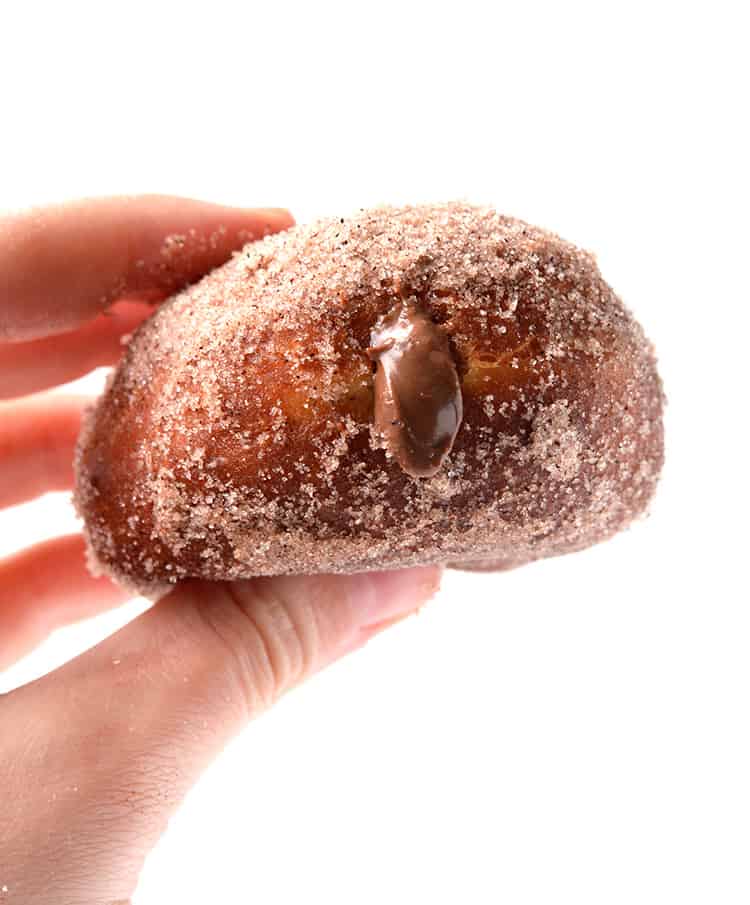
Coated doughnuts can also behave differently when chilled. Cinnamon sugar may dissolve and become patchy in warm conditions, while chocolate glaze can soften and smear. For this reason, cold Nutella filled doughnuts can be a practical choice for anyone who prefers a firmer coating and cleaner, less sticky bite.
When should they eat them warm in an Australian setting?
Warm makes the most sense when they are eating immediately after purchase, such as at a weekend market in Sydney or Melbourne where the doughnut is handed over fresh. It is also ideal on cooler days, like a brisk morning in the Adelaide Hills or Canberra, when a warm sweet hits harder.
Warm also suits sharing. If they are cutting one open for a group, warmth gives that dramatic, gooey centre that looks and feels special.
When should they eat them cold in an Australian setting?
Cold is a practical winner for picnics, beach days, and road trips where doughnuts sit in a bag for a while. If they are packing a treat for a drive down the Great Ocean Road or a day out in Perth’s sun, chilling can prevent an oily, collapsed doughnut situation.
Cold also helps when the doughnut is bought ahead of time. If it is yesterday’s box and they cannot reheat carefully, cold can hide staleness better than uneven warming.
What is the best way to warm Nutella filled doughnuts at home?
The goal is gentle heat so the doughnut softens and the centre loosens without exploding. A quick oven warm is usually the safest approach, especially if they are heating more than one.
A practical method in an Australian kitchen is: preheat the oven to low, warm the doughnut for a short time, then rest it for a minute. The rest matters because it lets heat distribute, reducing the risk of biting into a scalding pocket of filling.
What is the best way to chill Nutella filled doughnuts without ruining them?
If they want cold Nutella filled doughnuts, chilling is easiest, but it should be done with care. Airtight storage helps prevent the doughnut drying out or picking up fridge smells.
If they are planning ahead, they can chill briefly, then let the doughnut sit at room temperature for a few minutes before eating. That keeps the filling thick while taking the edge off fridge-cold dough.
Is “warm vs cold” really just about mess?
Mostly, yes. Warm Nutella filled doughnuts are more aromatic and luxurious, but they are messier and less predictable. Cold Nutella filled doughnuts are cleaner and more structured, but can feel heavier on the chew.
If they are eating in the car, wearing work clothes, or handing one to a child, cold often makes life easier. If they are sitting down with a coffee and a napkin, warm becomes the obvious play.
What should they pair with warm Nutella filled doughnuts?
Warm suits drinks that cut richness. A flat white, long black, or strong latte from a local Australian café works well because bitterness balances sweetness. Even a plain black tea can help, especially if they want the doughnut to stay the star.
If they are serving dessert at home, warm Nutella filled doughnuts can handle a scoop of vanilla ice cream because the heat creates a sauce-like centre.
What should they pair with cold Nutella filled doughnuts?
Cold pairs nicely with milkier drinks because the filling is thicker and more intense. A cold latte or iced coffee fits well on a hot day, which is often when cold Nutella filled doughnuts feel most appealing.
They can also pair cold doughnuts with fresh strawberries or banana. The fruit adds brightness and balances the richness, making fresh Nutella doughnuts near me an appealing search for anyone looking to enjoy the filling with fresh fruit rather than as a simple sugar-heavy treat.
So, are Nutella filled doughnuts best eaten warm or cold?
Warm is generally best for flavour and softness, while cold is best for structure and control. For most people, Nutella filled doughnuts taste at their peak when gently warmed, then eaten straight away with a drink and a napkin nearby.
But if they value a tidy bite, are travelling, or want a thicker centre, cold Nutella filled doughnuts can be the better choice. In the end, the “best” temperature is the one that matches how and where they are eating them, and how much mess they are willing to accept.

FAQs (Frequently Asked Questions)
Are Nutella filled doughnuts better eaten warm or cold?
Nutella filled doughnuts are best enjoyed either warm or cold depending on personal preference. Warm doughnuts offer a flowing, aromatic filling and a soft crumb, perfect for those who love a molten centre. Cold doughnuts provide a firmer, fudge-like filling with defined layers and a chewier texture, ideal for controlled bites and less mess.
What happens to the Nutella filling when a doughnut is warmed?
Warming loosens the Nutella filling by relaxing its fats, transforming it from spreadable to pourable. This softens the doughnut’s structure, especially in yeast-raised varieties, resulting in a luxurious, aromatic treat with a gooey centre that disperses flavour quickly.
How does chilling affect the texture and flavour of Nutella filled doughnuts?
Chilling thickens the Nutella filling, creating a dense, truffle-like core that stays centred. The doughnut becomes slightly denser and chewier, with sweetness feeling calmer and cocoa notes deepening. This results in distinct layers between the doughnut and filling for a balanced taste experience.
Does the type of doughnut influence whether it should be eaten warm or cold?
Yes, yeast doughnuts tend to feel lighter and more elastic when warmed, complementing a runnier filling. Cake-style doughnuts can become crumbly if heated too much, making them better enjoyed cold to maintain neatness. Coatings like cinnamon sugar may dissolve with heat, so cold consumption can prevent sticky fingers.
When is the best time to eat Nutella filled doughnuts warm or cold in Australia?
Warm Nutella filled doughnuts are ideal when eaten immediately after purchase at markets or bakeries, especially on cooler days or when sharing for a gooey experience. Cold doughnuts suit picnics, beach days, road trips like along the Great Ocean Road, or when consuming treats bought ahead to avoid mess and maintain freshness.
What are the recommended methods to warm or chill Nutella filled doughnuts at home?
To warm Nutella filled doughnuts gently at home, preheat the oven to low heat and warm them briefly before resting for a minute to evenly distribute heat and avoid scalding. For chilling, store them airtight in the fridge to prevent drying out or odour absorption; letting them sit at room temperature briefly before eating softens edges while keeping the filling thick.