
Cupcakes are at their best in a narrow window. The crumb stays soft, the aroma is strongest, and the icing holds its shape and shine. Cupcake delivery timing is the lever that most affects whether they arrive bakery-fresh or slightly tired, especially across Australian heat, humidity, and traffic delays.
For birthdays, office catering, and weddings in Sydney, Melbourne, Brisbane, Perth, and beyond, the goal is simple. They need cupcakes that taste fresh and look sharp at the moment the box opens. Getting cupcake delivery timing right is how they protect both freshness and icing stability.
What actually changes inside a cupcake as time passes after baking?
Moisture starts moving the moment cupcakes cool. Water migrates from the crumb towards the surface, and the crumb slowly firms as starch retrogradation begins. This is why cupcakes can feel drier by the next day even when stored “properly”.
Flavour also fades with exposure to oxygen and odour transfer in fridges. The longer the gap between baking and serving, the more likely they notice a flatter taste and a slightly tougher bite.
Why does cupcake delivery timing matter more than people expect?
Because delivery adds uncontrolled time. Baking, cooling, icing, boxing, loading, driving, and handover each introduces waiting, temperature swings, and jostling. Cupcake delivery timing determines whether those steps happen within a stable, planned window or drift into the risky part of the day.
In Australia, afternoon heat and peak-hour traffic amplify small delays. A 20-minute slip can become an hour, which is often the difference between crisp piping and softened swirls.
How does the time of day affect freshness during Australian deliveries?
Morning deliveries usually protect freshness best. Kitchens are cooler, roads are clearer, and cupcakes spend less time sitting in warm vehicles or on reception desks. For many metro areas, earlier drops reduce the chance of heat stress and condensation.
Late afternoon runs are tougher. Even in mild cities like Hobart or Canberra, vehicles warm quickly in the sun. In Brisbane or Darwin, the day’s peak humidity can also soften butter-based finishes.
What’s the ideal delivery window if cupcakes are meant to be eaten the same day?
Same-day service is easiest when delivery lands within two to four hours of serving. That window gives enough time for set icing to stabilise, while keeping crumb softness and aroma high. Cupcake delivery timing should be designed around the event start, not the bakery’s convenience.
If they need cupcakes for a 2 pm celebration, a late morning drop often works well. It avoids the hottest part of the day and reduces the temptation to refrigerate, which can dull texture and add condensation risk later.
How do different icings respond to delivery delays?
Buttercream can hold well, but it softens when warm and can crust or crack when exposed to dry air for too long. Cream cheese icing is more temperature-sensitive and can loosen and slump faster. Ganache is stable once set, yet it can dull or bloom if chilled and reheated repeatedly.
Meringue-based icings dislike humidity. In coastal NSW or QLD, they can become tacky and lose definition. This is why cupcake delivery timing needs to match the icing type, not just the distance.
Why does heat make icing instability worse in Australian conditions?
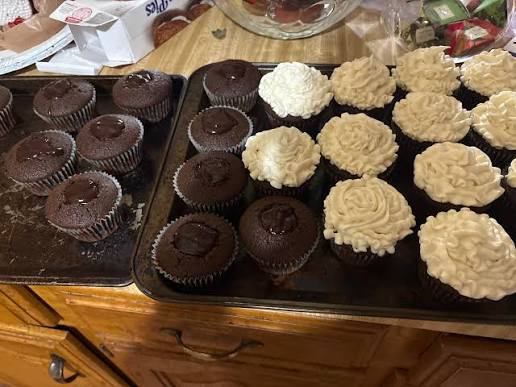
Heat lowers viscosity. That means buttercream swirls can relax, edges round off, and piped ridges lose their sharpness. In a warm car, even short stops at traffic lights can push the internal box temperature high enough to soften decorative details.
Sunlight through windows is another issue. A box might feel fine on pickup, then warm rapidly once the vehicle is parked. Tight cupcake delivery timing reduces that exposure, especially in summer across WA, SA, and inland NSW.
How does humidity affect piped detail, colours, and sprinkles?
Humidity adds surface moisture and slows crust formation. Buttercream can look slightly wet, colours may bleed into liners, and edible images can ripple. Sugar decorations and sprinkles can also dissolve at contact points, leading to smudging or “sweating” on the surface.
This is common in Brisbane and coastal regions after rain. Planning cupcake delivery timing to avoid long waits in humid foyers helps keep decorations crisp.
What role does refrigeration play, and when does it backfire?
Chilling can save soft icing in hot weather, but it often introduces condensation once cupcakes return to room temperature. That moisture can create shiny patches, soften toppers, and make liners look greasy. It can also dull flavour perception.
Refrigeration works best when cupcakes are kept consistently cold, then served soon after coming out. If they must chill, cupcake delivery timing should minimise warm-cold-warm cycles.
How do packaging and transport time interact with freshness?
Boxes trap air, which can be helpful or harmful. A well-vented cupcake box can reduce condensation, while an airtight container can hold moisture and soften decorations. Inserts and snug spacing prevent sliding, which protects tall swirls during turns and braking.
Longer drives magnify every packaging weakness. For regional deliveries outside major Australian city centres, cupcake delivery timing should include extra buffer for roadworks and slower speed zones.
How far in advance should cupcakes be iced for maximum stability?
Many buttercreams benefit from a short setting period. Icing that rests for 20 to 40 minutes can firm slightly, making it more resistant to vibration. For intricate piping, a brief chill can lock in detail if humidity is controlled.
Icing too early can backfire if cupcakes sit for hours. The surface may crust, colours may fade, and decorations can slip. Cupcake delivery timing should aim for “set, not stale”.
What happens if cupcakes sit at the venue before serving?
They often sit in the wrong place. A sunny windowsill, a warm kitchen pass, or an air-conditioned room that later warms up can all change icing texture. Even a stable cupcake can look different after an hour in mixed conditions.
If they expect waiting time at the venue, it is smarter to plan a closer-to-serve drop. Better cupcake delivery timing reduces venue storage mistakes they cannot control.
How should customers plan delivery for weddings and corporate events?
They should work backwards from the first moment guests will see them. For weddings, that might be the reception entry or dessert table reveal. For corporate catering in Sydney or Melbourne towers, it might be the meeting start, not lunch.
The best plan includes a clear delivery slot, a named contact, and a cool holding location. When clients treat cupcake delivery timing as part of the event run sheet, cupcakes arrive looking intentional, not rushed.
What’s a practical timing checklist customers can follow?
They should confirm the serving time first, then choose a delivery window that lands one to two hours before display. That gives time for setup without leaving cupcakes exposed all day. It also reduces the chance they refrigerate and re-warm them repeatedly.
They should also consider building access, lift waits, and parking. In busy Australian precincts like Southbank, Parramatta, or Fortitude Valley, those minutes matter to cupcake delivery timing.
How can bakeries reduce risk when the timing is tight?
They can stage production so cupcakes cool quickly and evenly, then ice as late as practical. They can also match icing choice to the weather, using more stable formulations on hot days. Delivery vehicles with temperature control help, but good scheduling often matters more.
Clear customer guidance also reduces failure. When bakeries explain storage and serving, cupcake delivery timing becomes a shared plan rather than a guess.
What delivery timing tends to work best across most Australian scenarios?
A late morning or early midday delivery works for many events. It avoids peak heat, reduces traffic delays, and keeps cupcakes in their best eating window. For evening events, an afternoon drop can still work if there is reliable cool storage and minimal waiting time.
The key is consistency. When cupcake delivery timing is locked in with buffers, cupcakes arrive with soft crumb, clean edges, and stable icing that still looks freshly piped.
How should they choose delivery timing based on the icing type?
Buttercream generally allows a wider window, especially with simple swirls and minimal toppers. Cream cheese and whipped frostings need tighter timing and better temperature control. Fondant toppers and sugar work prefer low humidity and minimal condensation risk.
They should tell the bakery the venue conditions and serving time. With that detail, cupcake delivery timing can be tailored to protect both the look and the taste.
What’s the simplest takeaway for getting fresher cupcakes with stable icing?
Deliver closer to serving, avoid the hottest part of the day, and minimise temperature swings. That combination preserves crumb softness and keeps icing structured, which is what people notice first.
When they plan cupcake delivery timing with the same care as flavour and decoration, cupcakes arrive like they have just been finished, not like they have been travelling.
FAQs (Frequently Asked Questions)
Why is cupcake delivery timing crucial for maintaining freshness and appearance?
Cupcake delivery timing is vital because it directly impacts the freshness, softness of the crumb, aroma intensity, and the stability of icing. Delays can cause moisture migration, starch retrogradation, and exposure to heat or humidity, which soften icing details and dull flavours. Proper timing ensures cupcakes arrive bakery-fresh with crisp piping and vibrant presentation.
How do Australian heat and humidity affect cupcake delivery and icing stability?
Australian heat reduces icing viscosity, causing buttercream swirls to relax and edges to round off quickly. Humidity adds surface moisture that slows crust formation, leading to wet-looking buttercream, colour bleeding, and smudged decorations. These conditions make precise cupcake delivery timing essential to protect icing detail and maintain visual appeal during transport.
What is the ideal time window for delivering cupcakes meant to be eaten on the same day?
The optimal delivery window is within two to four hours before serving. This timeframe allows the icing to stabilise while maintaining crumb softness and strong aroma. Scheduling deliveries around the event start—such as a late morning drop for a 2 pm celebration—helps avoid peak heat periods and reduces the need for refrigeration that could compromise texture.
How do different types of icings respond to delivery delays in Australian climates?
Buttercream holds well but softens in warmth and can crust in dry air; cream cheese icing is temperature-sensitive, loosening faster; ganache remains stable once set but may dull if chilled repeatedly; meringue-based icings are vulnerable to humidity, becoming tacky and losing definition especially in coastal NSW or QLD. Delivery timing should consider these differences for optimal results.
What role does refrigeration play in cupcake delivery, and what are its drawbacks?
Refrigeration can preserve soft icings during hot weather but often causes condensation when cupcakes return to room temperature. This moisture leads to shiny patches, softened toppers, greasy liners, and dulled flavour perception. To minimise these effects, refrigeration should be consistent with minimal warm-cold-warm cycles combined with tight delivery timing.
How do packaging choices impact cupcake freshness during transport?
Packaging influences air circulation and moisture retention; well-vented boxes reduce condensation whereas airtight containers may trap moisture softening decorations. Inserts and snug spacing prevent sliding damage during transport. For longer regional drives with potential delays like roadworks or slow zones in Australia, packaging must be robust alongside planned delivery timing buffers to maintain freshness.
Related: Why HSC Cupcakes Beat Energy Drinks During Exam Study Weeks