
In Australia, delivery often means hot cars, humid coastal air, and longer suburb-to-suburb runs. That makes choosing doughnut boxes that keep treats fresh for delivery a practical decision, not just a branding one.
What actually makes delivered doughnuts go stale or soggy?
Staleness usually comes from airflow and time, while sogginess comes from trapped steam and condensation. The wrong box can speed both up by either venting too much or sealing too tightly.
Fresh, warm doughnuts release moisture, and that moisture needs somewhere to go. Choosing doughnut boxes that keep treats fresh for delivery means balancing a barrier against outside air with a controlled way for steam to escape.
How does the box material affect freshness in Australian conditions?
Cardboard and paperboard are popular because they insulate reasonably well and help manage moisture. Plastic can trap condensation fast, especially in Queensland or coastal NSW, where humidity is higher.
If a box is too thin, heat fluctuates and condensation forms quickly when the car’s air-con hits a warm box. Choosing doughnut boxes that keep treats fresh for delivery often starts with selecting a sturdy, food-grade board that holds shape and buffers temperature changes.
Should a doughnut box be fully sealed or ventilated?
A fully sealed box can be a problem for warm doughnuts because steam has nowhere to escape. Light ventilation reduces condensation but too much ventilation dries doughnuts out on longer trips.
The best approach is usually small, intentional vents that release steam without exposing doughnuts to constant airflow. For many businesses, choosing doughnut boxes that keep treats fresh for delivery means using vented designs for warm glazed doughnuts and tighter designs for fully cooled, unglazed styles.
How do they choose the right size so doughnuts do not get crushed?
A box that is too large lets doughnuts slide, bump, and smear toppings. A box that is too tight can squash decorations and force lids to press on the product.
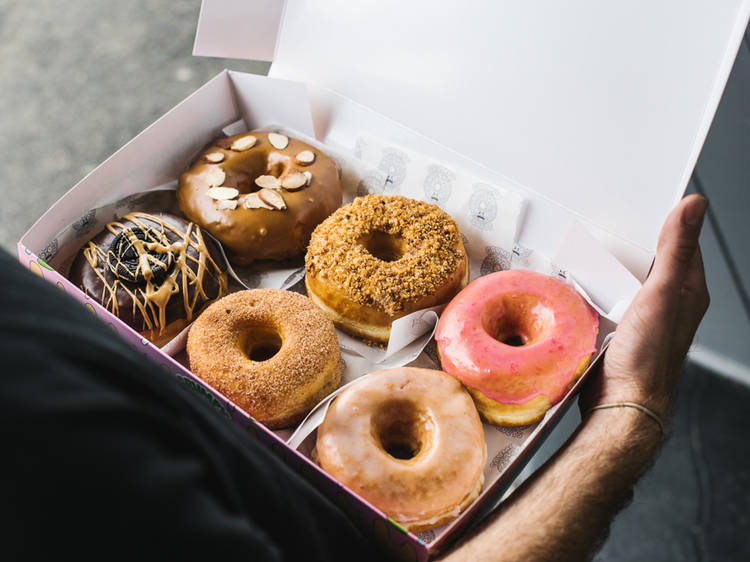
Sizing should match both the doughnut diameter and the height of toppings like buttercream, shards, or cookies. Choosing doughnut boxes that keep treats fresh for delivery includes picking dimensions that hold doughnuts in place without contact, especially for mixed assortments.
Do inserts and dividers really help with freshness?
Yes, because movement creates damage that looks like “staleness” to customers, even when the doughnut is still fresh. Inserts also reduce surface-to-surface contact that can pull glaze or sugar off.
Dividers are especially useful for dozen boxes travelling across Melbourne or Sydney during peak traffic. Choosing doughnut boxes that keep treats fresh for delivery often means using inserts for premium lines, corporate orders, and any box with varied toppings.
What box style works best for glazed, filled, and sugar-coated doughnuts?
Glazed doughnuts need airflow control to avoid condensation, so a vented paperboard box is usually safest. Filled doughnuts need support and space to prevent pressure that can squeeze filling out. Sugar-coated doughnuts need a box that limits rubbing, because friction strips sugar fast.
A one-size-fits-all approach rarely works across a full menu. Choosing doughnut boxes that keep treats fresh for delivery is easier when they match box style to product category rather than forcing every doughnut into the same packaging.
When should doughnuts be boxed to avoid condensation?
Boxing doughnuts too soon is one of the main causes of soggy tops and sticky bottoms. When doughnuts are still warm, steam rises, hits the cooler lid, and turns back into moisture. Following simple doughnut cooling tips before packaging can help protect the texture and keep the box cleaner.
Many Australian shops reduce this by cooling on racks longer, then boxing close to dispatch. Choosing doughnut boxes that keep treats fresh for delivery often requires a simple packing rule: cool first, then box, then deliver quickly.
How can they keep doughnuts fresh during long delivery runs?
Longer runs need packaging that prevents drying while also avoiding condensation. That means tighter control of ventilation, sturdier walls, and better internal stability.
For deliveries across Perth’s suburbs or regional runs outside Brisbane, it also helps to group orders by drop-off so boxes spend less time being opened and re-stacked. Choosing doughnut boxes that keep treats fresh for delivery includes planning the route and the handoff, not just buying boxes.
Does grease resistance matter for taste and texture?
It does, because grease soaking into the base can make doughnuts feel heavy and weaken the box, which may lead to sagging and contact damage. Using grease-resistant food packaging helps maintain the box’s structure while creating a cleaner, more presentable unboxing experience.
This matters for ring doughnuts with high oil content and for cinnamon styles that release oils into the base. Choosing doughnut boxes that keep treats fresh for delivery often includes specifying food-safe grease resistance, especially for larger orders.
How do they protect decorations and branding at the same time?
Strong branding should never come at the cost of a crushed lid or a box that pops open. The best branded boxes maintain structural rigidity, clean folds, and a lid that locks without bowing.
If they use stickers, they should avoid sealing vents shut or trapping extra moisture. Choosing doughnut boxes that keep treats fresh for delivery can still support premium presentation when branding is applied in ways that do not change airflow or stacking strength.
What should they look for when choosing a packaging supplier in Australia?
They should prioritise consistent sizing, food-grade certification, and reliable stock availability. Local lead times matter, especially around weekends, public holidays, and busy seasons like Christmas.
It also helps if suppliers offer samples so they can test fit, stacking, and moisture performance with real products. Choosing doughnut boxes that keep treats fresh for delivery is simpler when they can trial a few options and commit to the one that performs best on actual delivery routes.
How can they test doughnut boxes before rolling them out?
A basic test is to pack a warm batch, run a 30 to 60 minute mock delivery, then check for condensation, glaze damage, and sliding. A second test should use fully cooled doughnuts to see if the box dries them out over time.
They can also stack multiple boxes to test crush resistance in a typical courier bag or car boot. Choosing doughnut boxes that keep treats fresh for delivery becomes far less guesswork when they test the exact conditions customers experience.
What are common mistakes that make delivery doughnuts disappointing?
A frequent mistake is boxing warm doughnuts in tight, non-vented packaging, which creates instant condensation. Another is using oversized boxes without inserts, which leads to smearing and topping loss.
Some businesses also underestimate heat in parked vehicles, particularly in Adelaide and inland NSW, where cabins can spike quickly. Choosing doughnut boxes that keep treats fresh for delivery means avoiding these preventable issues with better timing, fit, and structure.
What is the simplest checklist for keeping delivery doughnuts fresh?
They should use the right board strength, choose ventilation based on doughnut type, and size boxes to prevent movement. They should also cool doughnuts properly and limit time between boxing and dispatch.
If they apply one rule consistently, it should be this: match packaging to the product and delivery route. Choosing doughnut boxes for parties that keep treats fresh during delivery works best when the box is treated as part of the recipe, not an afterthought.
FAQs (Frequently Asked Questions)
What factors cause delivered doughnuts to become stale or soggy?
Delivered doughnuts typically go stale due to airflow and time, while sogginess results from trapped steam and condensation. Choosing the right doughnut boxes involves balancing a barrier against outside air with controlled ventilation to allow steam to escape, preventing both staleness and sogginess.
How does the material of doughnut boxes affect freshness in Australian delivery conditions?
In Australian conditions, cardboard and paperboard are preferred as they insulate well and manage moisture effectively. Plastic boxes tend to trap condensation quickly, especially in humid coastal areas like Queensland or NSW. Selecting sturdy, food-grade board materials helps maintain box shape and buffers temperature changes, keeping doughnuts fresh during transit.
Should doughnut boxes be fully sealed or ventilated for optimal freshness?
Fully sealed boxes can trap steam from warm doughnuts, causing condensation and sogginess. Light ventilation with small, intentional vents allows steam to escape without exposing doughnuts to excessive airflow that dries them out. Vented designs are ideal for warm glazed doughnuts, while tighter boxes suit cooled, unglazed varieties.
How can the right box size prevent doughnuts from getting crushed during delivery?
Choosing a box size that matches the doughnut diameter and topping height is crucial. Boxes that are too large allow movement leading to damage, while too tight boxes can squash decorations or press lids onto toppings. Proper sizing holds doughnuts securely without contact, especially important for mixed assortments.
Do inserts and dividers improve the freshness and presentation of delivered doughnuts?
Yes, inserts and dividers reduce movement inside the box which prevents damage that mimics staleness. They also minimize surface contact that can pull off glaze or sugar coatings. Inserts are particularly beneficial for premium lines and mixed topping assortments during long deliveries in cities like Melbourne or Sydney.
What packaging strategies help keep doughnuts fresh during long delivery runs across Australian suburbs?
For longer deliveries, packaging should balance ventilation control to avoid drying out while preventing condensation buildup. Sturdy walls and internal stability reduce damage during transit. Additionally, planning delivery routes to group orders by drop-off minimizes handling time. Cooling doughnuts before boxing and delivering promptly also preserves freshness.